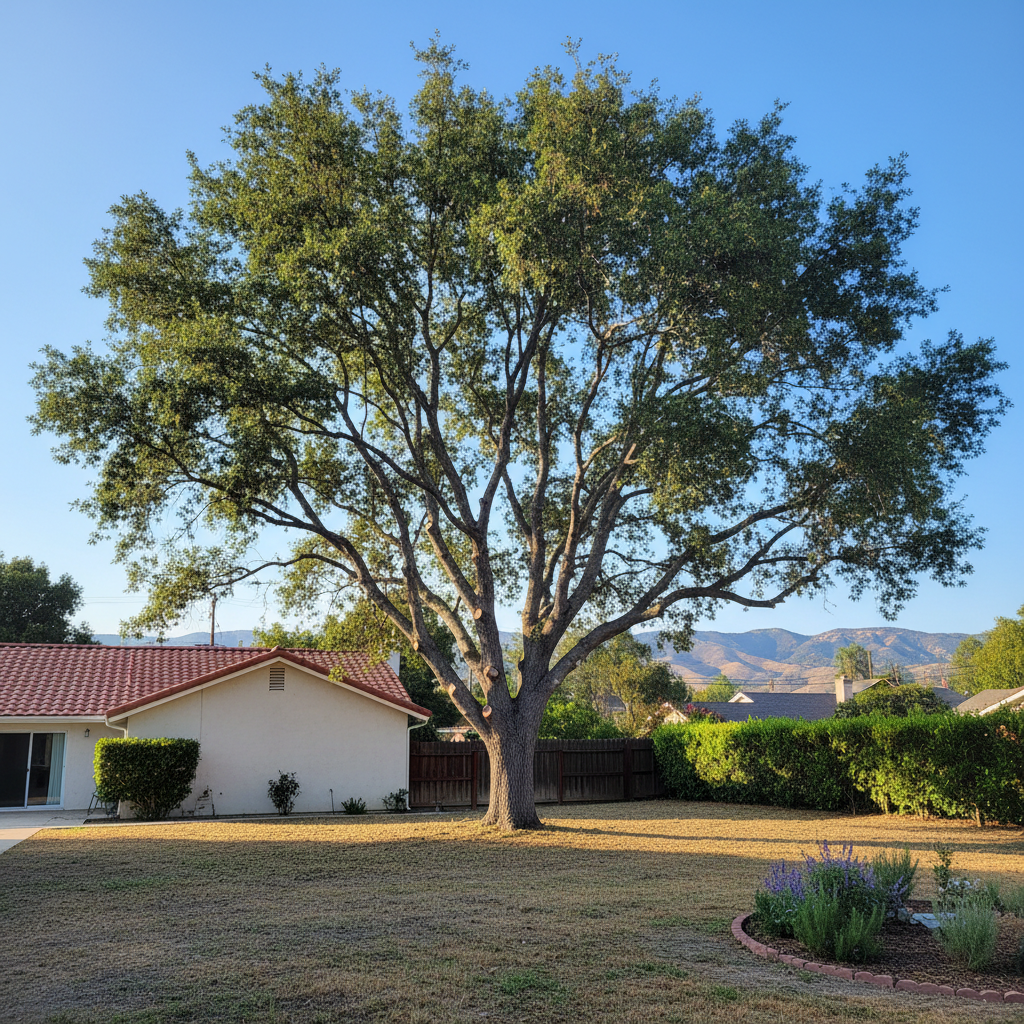
You Just Had Your Trees Pruned. Now What?
So, you've done the smart thing and had your trees professionally pruned. Maybe we even did the work here at Hawthorne Tree Service. That's a great start, but it's not a 'set it and forget it' situation. Think of it like getting your car serviced; you still need to do regular oil checks and keep an eye on things between major tune-ups. The goal of good pruning isn't just to make your tree look nice for a few months, it's to set it up for long-term health and structural integrity. And especially here in Hawthorne, with our hot, dry summers and occasional Santa Ana winds, keeping those trees strong is crucial.
Extending the life of that pruning work means understanding a bit about what your tree needs afterwards. It's not just about the cut, it's about the healing and subsequent growth.
Regular Maintenance: What You Should Be Doing
After a good pruning, your main job is observation and basic care. You don't need to be an arborist, but you do need to pay attention. Here's what I tell folks:
Water Wisely: This is huge, especially for younger trees or those that had significant work. Pruning can be a stressor, and adequate water helps the tree recover and compartmentalize the wounds. Don't drown it, but make sure the soil around the drip line gets a good, deep soak, especially during dry spells. Our clay soils around Hawthorne Boulevard and the older neighborhoods can hold water, but they can also get rock-hard and shed it if not properly managed.
Keep an Eye on New Growth: After pruning, you'll often see a flush of new growth. Most of this will be healthy, but occasionally you'll get what we call 'suckers' (growing from the base or roots) or 'water sprouts' (fast-growing, vertical shoots on branches). These are usually weak and can compete with healthier growth. You can often snip these off yourself with clean hand pruners when they're small. Just don't go crazy; a little new growth is normal.
Clear the Base: Make sure there's no grass or weeds growing right up against the trunk. These compete for water and nutrients. A nice ring of mulch (not piled against the trunk, mind you!) is perfect for retaining moisture and regulating soil temperature.
Inspect for Pests and Diseases: Pruning wounds are entry points. While trees have natural defenses, keeping an eye out for unusual sap, discolored leaves, or insect activity near the cuts can help you catch problems early. Look for anything that wasn't there before the pruning.
Warning Signs: When Something's Not Right
Your tree will tell you when it's struggling, you just need to know how to listen. Here are some red flags that mean something might be off:
Excessive Dieback: If you see a lot of branches dying back quickly after pruning, especially larger ones, that's a concern. A little bit of 'tip dieback' can happen, but widespread death isn't normal.
Fungal Growth: Mushrooms or other fungal bodies appearing on the trunk or branches, especially near pruning cuts, indicate decay. This is a serious issue that needs professional assessment.
Unusual Sap Flow or Oozing: Some trees naturally weep a bit of sap, but excessive, discolored, or foul-smelling sap could signal disease or pest infestation.
Cracks or Splits: New cracks forming in the trunk or branches, particularly after a windy day, mean structural weakness. This is a safety hazard.
Leaf Discoloration or Wilting (when it shouldn't): If leaves are turning yellow, brown, or wilting when the tree is getting enough water, it could be a sign of root issues, disease, or nutrient deficiencies. Sometimes, poor pruning can stress a tree enough to show these symptoms.
Weak Re-growth: If the new growth looks spindly, discolored, or just generally unhealthy, the tree might be struggling to recover.
When to Call a Professional (Like Us!)
Look, I'm all for homeowners being involved in their tree care. But there are definitely times when you need to step back and call in the experts. Don't try to be a hero with a chainsaw. You could hurt yourself, or worse, permanently damage your tree.
Here's when you absolutely should pick up the phone:
Large Branch Removal: Anything that requires a ladder, a saw bigger than hand pruners, or is near power lines. Seriously, don't mess with power lines. It's not worth it.
Signs of Disease or Pests: If you see any of those warning signs I just mentioned, especially fungal growth, severe dieback, or unusual oozing. We can diagnose the problem and recommend treatment or further action.
Structural Concerns: If a tree looks like it's leaning excessively, has large cracks, or you're worried about a limb falling. This is a safety issue for your property and your family.
Tree Health Decline: If your tree just isn't looking good and you can't figure out why. Sometimes it's a subtle issue that takes an experienced eye to spot.
Regular Maintenance Pruning (every 2-5 years): Even with your diligent observation, trees need professional pruning on a cycle. For most mature trees, this is every 2-5 years, depending on the species and its growth rate. This keeps them structurally sound, healthy, and looking their best. We can assess the tree's overall health, remove crossing branches, and maintain its shape without over-pruning.
Before a Big Storm Season: If we're heading into a period of high winds, like our typical fall Santa Anas, it's a good idea to have us check for weak or dead limbs that could become hazards.
Your trees are an investment in your property and the environment. Taking a little time to observe them and knowing when to call in Hawthorne Tree Service will keep them thriving for years to come.