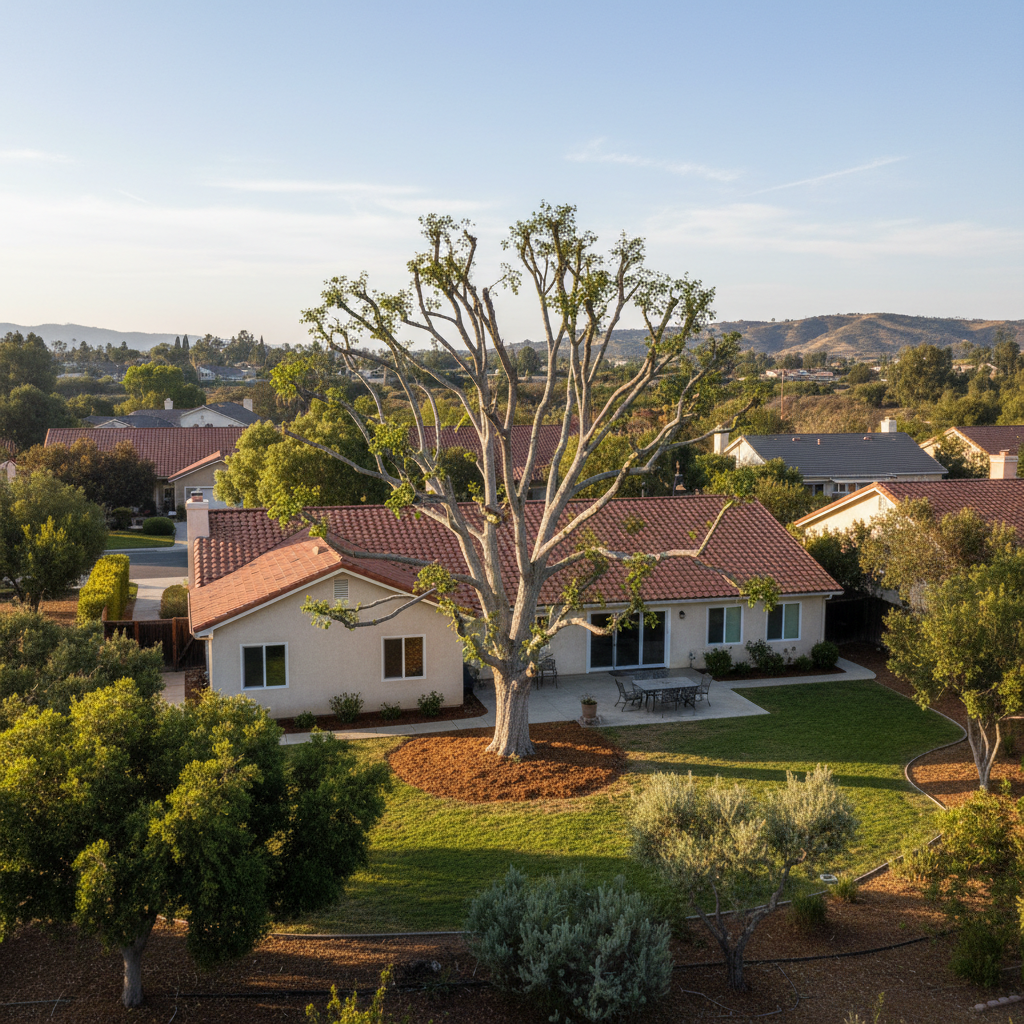
So, you've noticed a branch looking a little off, or maybe your favorite jacaranda isn't blooming like it used to. You're thinking, "Okay, time to get a tree health check-up." Good call. But before you pick up the phone, let's talk about how to tackle this project right. It's not just about getting someone to show up; it's about planning for success.
Timeline: When Should You Start Planning?
Honestly, you should start planning as soon as you notice an issue, or even better, before one becomes obvious. If you're seeing dead branches, discolored leaves, or strange growths, that's a red flag. Don't wait until the tree is clearly struggling or, worse, becoming a hazard. For general health assessments or preventative care, the dormant season (late fall to early spring) is often a great time. The trees are bare, making it easier to spot structural issues or diseases that might be hidden by foliage.
However, if you suspect a pest infestation or a specific disease, timing might be more critical. Some treatments are only effective during certain life cycles of pests or stages of a disease. A good arborist can tell you if it's an emergency or if you have some wiggle room. Don't drag your feet, though. Tree issues rarely get better on their own.
What to Expect During the Process
Once you've decided to move forward, here's a general idea of how things usually go down:
- Initial Consultation: An arborist will come out to your property. They'll look at the tree, check the soil, and ask you questions about what you've observed. This is their chance to diagnose the problem or assess the tree's overall health. They might use tools, take samples, or just get a good visual.
- Proposal & Treatment Plan: Based on their findings, they'll give you a detailed proposal. This isn't just a price tag; it should outline the recommended treatments, why they're needed, and what results you can expect. For example, if your tree has anthracnose, they'll explain the specific fungicide application.
- Scheduling the Work: Once you approve the proposal, you'll schedule the actual work. Be realistic here. Good tree companies are busy, especially after a storm or during peak seasons. Don't expect them to be there tomorrow unless it's an emergency.
- The Work Itself: On the scheduled day, the crew will arrive. They'll have all the right equipment, whether it's for pruning, injecting treatments, or soil aeration. They should be professional, safe, and respectful of your property.
- Follow-Up: Depending on the treatment, there might be a need for follow-up visits or specific instructions for you to implement. Make sure you understand what's required on your end.
How to Prepare Your Property
You don't need to roll out the red carpet, but a little prep goes a long way for a smooth project:
- Clear the Area: Move anything valuable or fragile from under and around the tree. Think patio furniture, planters, kids' toys, garden ornaments. Even if they're careful, things can happen.
- Provide Access: Make sure there's a clear path for their equipment. If they need to bring a truck or chipper into your backyard, unlock gates and remove any obstacles.
- Point Out Concerns: Before they start, walk the arborist or crew leader around and point out any specific concerns you have or areas you want them to pay extra attention to.
- Secure Pets: Keep your pets indoors or in a secure, separate area. You don't want them getting in the way or getting hurt.
- Inform Neighbors: If the work might impact your neighbors (noise, temporary blockage of a shared driveway, branches overhanging their property), give them a heads-up. It's just good neighborly practice.
Questions to Ask Before Signing a Contract
This is crucial. Don't be shy. A reputable company like Hawthorne Tree Service will be happy to answer these:
- Are you licensed and insured? Get proof. This protects you if something goes wrong.
- Can you provide references? Talk to other customers.
- What specific treatments do you recommend and why? Make sure you understand the diagnosis and the proposed solution.
- What's the estimated timeline for the work? When will they start, and how long will it take?
- What's included in the price? Is debris removal included? Stump grinding (if applicable)? Follow-up visits?
- What are your safety protocols? How do you protect my property and your crew?
- Do you offer any guarantees on your work?
- How will this project impact my landscape or irrigation? Especially important if they're digging or using heavy equipment. For homes in the Hollyglen area, where yards can be pretty tight, this is a big deal. You want to make sure your prize-winning roses aren't collateral damage.
- What's your payment schedule? Do you require a deposit? When is the final payment due?
Asking these questions upfront saves you headaches down the line. You're investing in the health of your trees and the safety of your property, so make sure you're working with someone you trust. Take your time, do your homework, and you'll be glad you did.