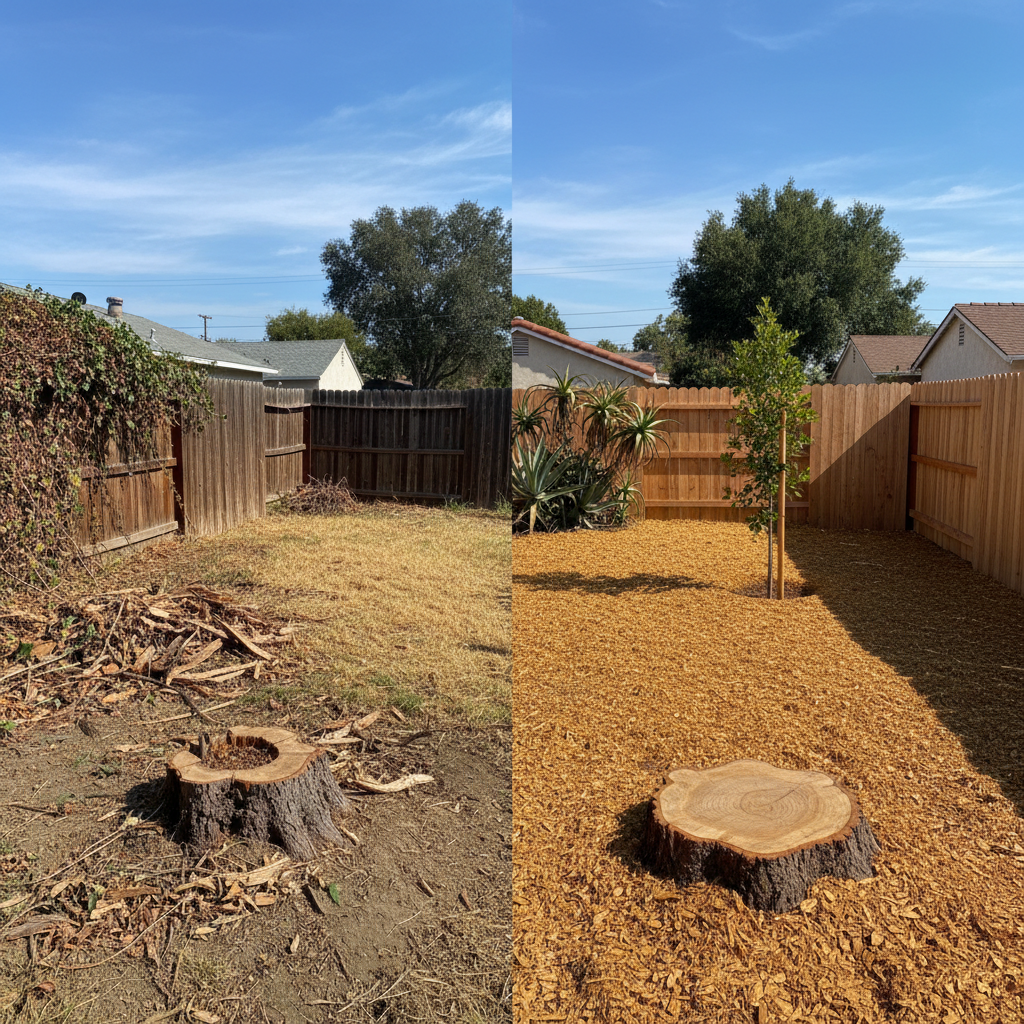
So, you've decided a tree has to come down. Maybe it's sick, maybe it's too close to the house, or maybe you just want more sun for your garden. Whatever the reason, once the tree itself is gone, you're left with a choice: deal with the stump, or get rid of it entirely? It's not as simple as it sounds, and there are some real differences in what you'll get, what it costs, and what it means for your yard.
Stump Grinding: The Quick and Dirty Option
Most folks, when they say "tree removal," are actually thinking of stump grinding. What we do is bring in a specialized machine that grinds the stump down into wood chips. We usually go about 6-12 inches below grade, sometimes a bit more depending on the tree's size and what you plan to do with the spot.
Pros of Stump Grinding:
- Cost-Effective: It's almost always cheaper than full removal. Less labor, less heavy equipment, less time on site.
- Faster: A stump can be ground down in an hour or two, even for a big one.
- Less Invasive: The grinder stays mostly in one spot. It doesn't tear up your whole yard like digging out a massive root ball can. This is a big plus if you've got a well-established lawn or delicate landscaping around the tree.
- Mulch for Free: You get a pile of wood chips, which you can use as mulch around other plants. Or we can haul them away, no problem.
Cons of Stump Grinding:
- Roots Remain: This is the big one. While the visible stump is gone, the main roots and lateral roots are still in the ground. They'll eventually decompose, but it can take years, even decades for a big old sycamore or eucalyptus.
- Potential for Regrowth: Especially with certain species, those remaining roots can sprout new shoots. You'll need to keep an eye on it and treat any new growth.
- Limited Use of the Spot: If you want to plant another tree exactly where the old one was, you'll run into issues with the old root system. It's tough to dig a new hole, and the decomposing roots can create air pockets that aren't great for a new tree. You'll also deal with settling as those roots break down over time.
Full Stump and Root Removal: The Clean Slate
When I talk about full tree removal, I mean getting rid of the entire stump and as much of the major root system as possible. This usually involves heavy machinery, like an excavator, to dig it all out.
Pros of Full Removal:
- Clean Slate: The spot is completely clear. You can plant a new tree, build a patio, lay sod, or do whatever you want without worrying about old roots.
- No Regrowth: Since the root collar and main roots are gone, there's no chance of suckers or new shoots popping up.
- No Settling: You won't have the ground sinking later as roots decompose.
Cons of Full Removal:
- More Expensive: Significantly more. It's a much bigger job, requiring more time, more specialized equipment, and more labor.
- More Invasive: Digging out a large root ball can leave a pretty big hole and really tear up the surrounding area. You'll likely need to repair your lawn or landscaping afterward. This is especially true in older Hawthorne neighborhoods like Hollyglen, where tree roots can be extensive and intertwined with utilities.
- Soil Disturbance: It can disrupt the soil structure in that area, which might need amending if you plan to plant something new right away.
So, What Should You Do?
Honestly, for most homeowners, stump grinding is the way to go. It's more affordable, less disruptive, and for 90% of situations, it gets the job done. If you're just looking to get rid of the tripping hazard and clear some space, grinding is perfectly fine. You can throw some topsoil over the chips and plant grass or a small shrub.
However, if you have grand plans for that exact spot – like planting a new, large shade tree, putting in a foundation for an addition, or running new utility lines – then full removal is probably worth the extra cost and effort. You don't want to deal with old roots interfering with new construction or strangling a new tree years down the line.
Before you decide, think about your long-term plans for that specific area. Give us a call at Hawthorne Tree Service, and we can come out, take a look at the tree and your yard, and give you an honest recommendation based on what you're trying to achieve. We've seen it all, and we'll help you make the right choice for your property.